




In April, I attended the American Dental Hygienists’ Association’s Day on the Hill as part of GoTu’s continued investment in the future of the dental workforce.
We started the morning with the ADHA Advocacy Team. What stood out right away was how structured and intentional the day was. Every group knew where they were going, who they were meeting with, and what needed to be communicated.
From there, we split into teams and spent the day meeting with congressional offices across Capitol Hill. In total, the group connected with more than 20 offices, advocating for policy priorities that directly impact both the dental hygiene workforce and access to care.
At a high level, those priorities focused on:
- Protecting community water fluoridation as a public health measure
- Expanding access to oral health products
- Clarifying pathways for dental hygienists to participate in Medicaid as providers
While each issue is distinct, the through line across every conversation was consistent: improving access to care and supporting the workforce responsible for delivering it.
That alignment is important.
At GoTu, we see daily how workforce challenges show up in real time. They impact whether offices can stay staffed, whether patients can be seen, and whether care is consistent. The same constraints being discussed at a policy level are the ones we see operationally across the marketplace.
One of the most impactful parts of the day was hearing directly from professionals and students advocating for these changes.
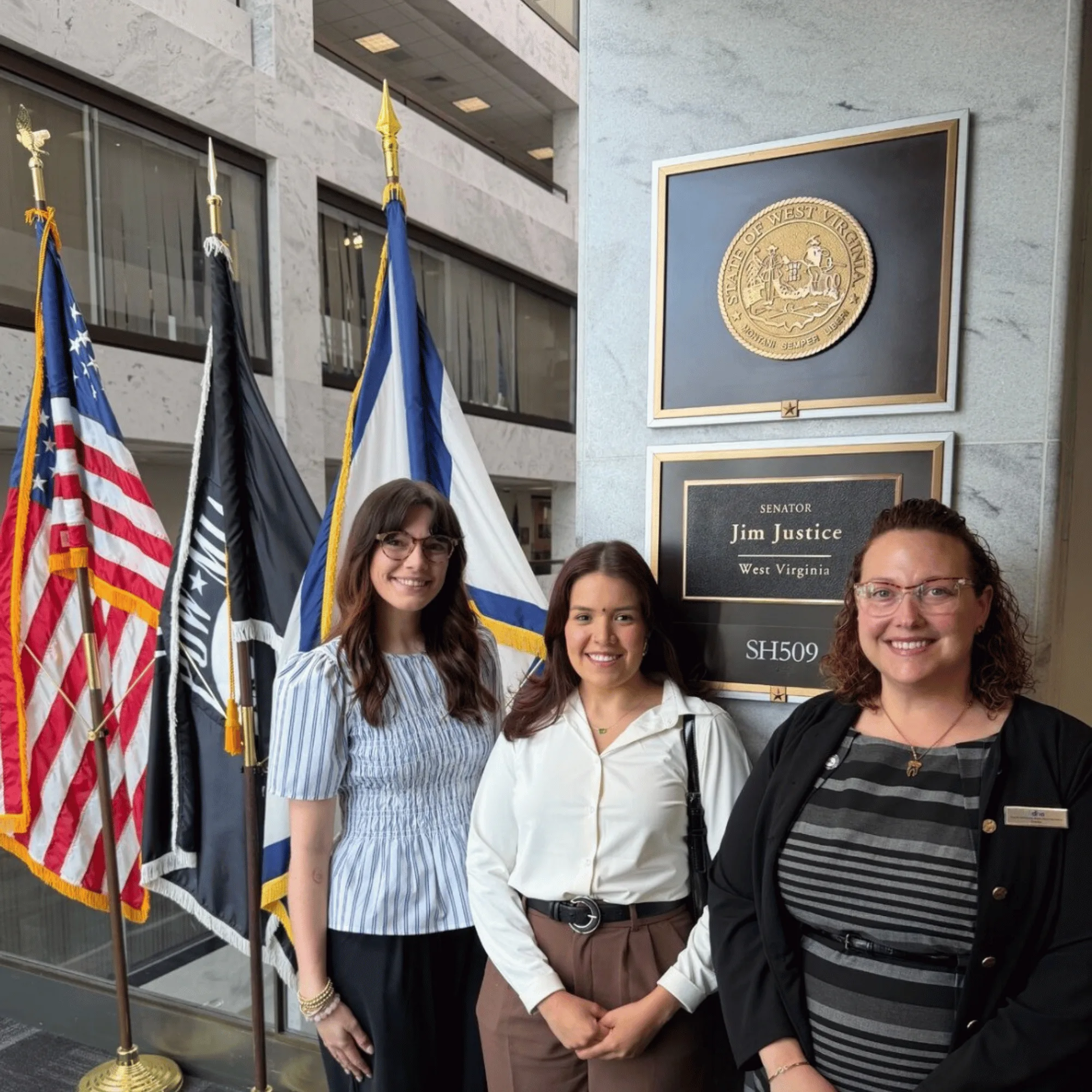
I met Jazmine, a dental hygiene student from San Antonio graduating this May. She spoke clearly about the realities she expects to face entering the workforce, and the structural challenges that already exist. That perspective brings a level of urgency to these conversations that data alone can’t.
I also spent time with members of ADHA’s advocacy team, who bring both policy expertise and a strong understanding of how care is actually delivered. That combination is what keeps these conversations grounded and actionable.
Another theme that came up repeatedly, even when it wasn’t the primary focus of the meeting, was professional autonomy. The ability for dental hygienists to practice to the full scope of their training is closely tied to access to care. When that scope is limited, access is limited. When it’s supported, care becomes more available, especially in underserved communities. That connection showed up across multiple discussions throughout the day.
From GoTu’s perspective, this is directly aligned with how we think about the future of the workforce: Access to care is not just a clinical issue. It’s a workforce issue, a policy issue, and an infrastructure issue. Expanding access to care isn’t just about adding more professionals. It requires reducing friction, modernizing policy, and creating systems that allow clinicians to work at the top of their scope.
That’s why engagement at the policy level matters. It’s also why involvement at the association level matters. One of the clearest takeaways from the day is that progress doesn’t happen individually. It happens when the profession shows up together with a clear, unified voice.
Organizations like ADHA play a critical role in making that possible. They take a wide range of perspectives, prioritize what will have the greatest impact, and turn that into action at both the state and federal level, but that only works if professionals are part of it.
If you’re a dental hygienist or dental professional, getting involved in your association is one of the most direct ways to influence the future of your profession. It’s how individual experiences translate into policy. It’s how access to care improves at scale.
From GoTu’s perspective, being part of these conversations is essential. We’re building infrastructure for the dental workforce. That means staying close to both the realities professionals face and the policies that shape those realities. The ADHA’s Day on the Hill reinforced just how connected those two things are, and how important it is that more professionals have a seat at the table.