


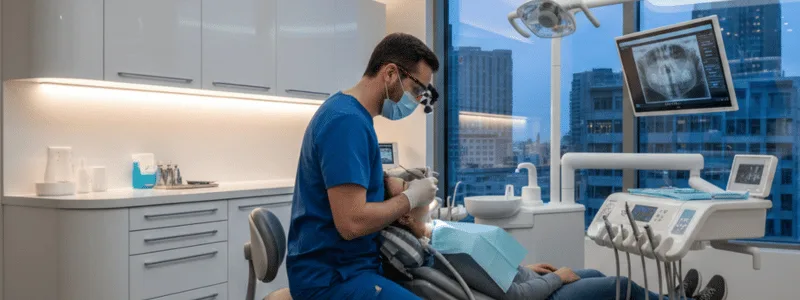
Dental hygienists are the ones who keep dentistry running. You keep schedules on track, patients comfortable, and practices moving forward. As standards continue to evolve and new tools hit the market every year, having the right essentials makes a real difference in how your day feels and how long your body holds up in this career.
Whether you are just getting started or have been practicing long enough to feel it in your neck or lower back, this guide covers the tools and equipment hygienists actually rely on in 2026. Not what looks good in a catalog. What works in real operatories, day after day.
Clinical Essentials That Actually Make a Difference
Loupes with Integrated Lighting
Ask almost any hygienist what upgrade changed their work the most and loupes with lights come up fast. The difference in visibility is immediate. You catch calculus more easily, see early issues sooner, and stop twisting yourself into uncomfortable positions just to get a decent view.
Most hygienists land somewhere between 2.5x and 3.5x magnification. Anything higher can feel too narrow for hygiene work. The built in light matters just as much as the magnification. It keeps illumination exactly where you are looking without constantly adjusting the overhead light. Fit matters more than brand. If your working distance or declination angle is off, even the most expensive loupes will strain your neck. Getting properly measured is worth the extra effort.
Mouth Mirror Defogger
This feels like a small thing until you realize how often you wipe your mirror during a long appointment. A good defogger keeps your mirror clear and saves time without breaking your flow. Many hygienists say it is one of those purchases that pays for itself almost immediately.
Hand Instruments That Work With You
Ultrasonics are great, but sharp hand instruments still matter.
A solid setup includes a mix of scalers and curettes that cover anterior and posterior needs. Gracey curettes, universals, and sickles for supragingival work are still the core. Having duplicates of your most used instruments helps when one is out for sharpening. Sharpening matters more than people admit. Dull instruments mean more pressure, more fatigue, and less effective care. Some hygienists invest in electric sharpeners for consistency. Others prefer stones and strong technique. Either way, sharp instruments protect your hands.
Ultrasonic inserts should match the work you actually do. Slim tips for deep pockets, universal tips for general scaling, and implant safe inserts if you see a lot of implants. The right insert makes everything faster and easier.
Prophy Angles and Polishing Tools
Cordless polishers have become a favorite for many hygienists. No cords pulling or dragging makes movement easier and appointments smoother. For prophy angles, grip matters. You want control without strain. Variable speed settings are helpful for sensitive patients or heavier stain.
Intraoral Cameras
These have moved from nice to have to essential. Patients understand what they can see. Showing inflammation or buildup is far more effective than trying to explain it verbally. Wireless models are usually worth the investment because they are easier to maneuver and quicker to use during an appointment.
Ergonomic Essentials
Work related pain is common in hygiene. Neck, shoulders, wrists, and lower back issues add up over time. Ergonomic equipment is not about comfort alone. It is about whether you can keep doing this work long term.
Saddle Chairs
Traditional stools often put your body in poor positions without you realizing it. A properly fitted saddle chair keeps your hips open and supports a more natural spinal position. It can feel strange at first, but many hygienists say they would never go back.
Quality matters here. Look for reliable hydraulics that hold their height and allow proper adjustment for your body.
Small Ergonomic Upgrades That Add Up
Footrests help keep your legs and ankles neutral. Better caster wheels make it easier to move without strain. Handle builders increase instrument diameter so you do not have to grip as hard. Lumbar support cushions can help if a new chair is not an option yet.
Building Your Kit Over Time
New Grads
Start with loupes (seriously, start good ergonomic habits early), basic hand instruments, and the best chair you can afford. Don’t go overboard buying every specialty instrument yet, you’ll figure out what you actually use once you’re working.
Mid-Career
Focus on upgrades that address pain you’re starting to feel. Handle builders, better seating, cordless devices. Technology that genuinely makes you faster. If you’re pursuing expanded functions like local anesthesia, that’s when to invest in specialization equipment.
Experienced Hygienists
Premium ergonomic solutions to keep working comfortably, cutting-edge tech that maintains your competitive edge, and systems that maximize efficiency so you’re not working harder than you need to.
In conclusion, quality tools are not a luxury. They help you do your job well without burning out or breaking down. Investing in ergonomics, visibility, and efficiency protects your time and your body.
Talk to other hygienists. Try tools at CE courses. Invest in yourself. This work matters and so do you.
Looking for hygiene work that fits your schedule and respects your time? GoTu connects hygienists with dental offices that need reliable coverage, whether you are looking for flexibility or something long term.